
From treaty ratification to the first high seas protected areas
The high seas cover roughly two-thirds of the ocean and about half of the planet’s surface. They support globally important fisheries, migratory species and climate regulation, yet they have historically lacked a comprehensive mechanism for creating marine protected areas to protect biodiversity. When donors first announced coordinated support in March 2023, only about 1.4% of the high seas was protected. Reaching 30x30 therefore depends on both a functioning High Seas Treaty and a pipeline of large, high-quality protected-area proposals.
Photo © Pexels
The Challenge
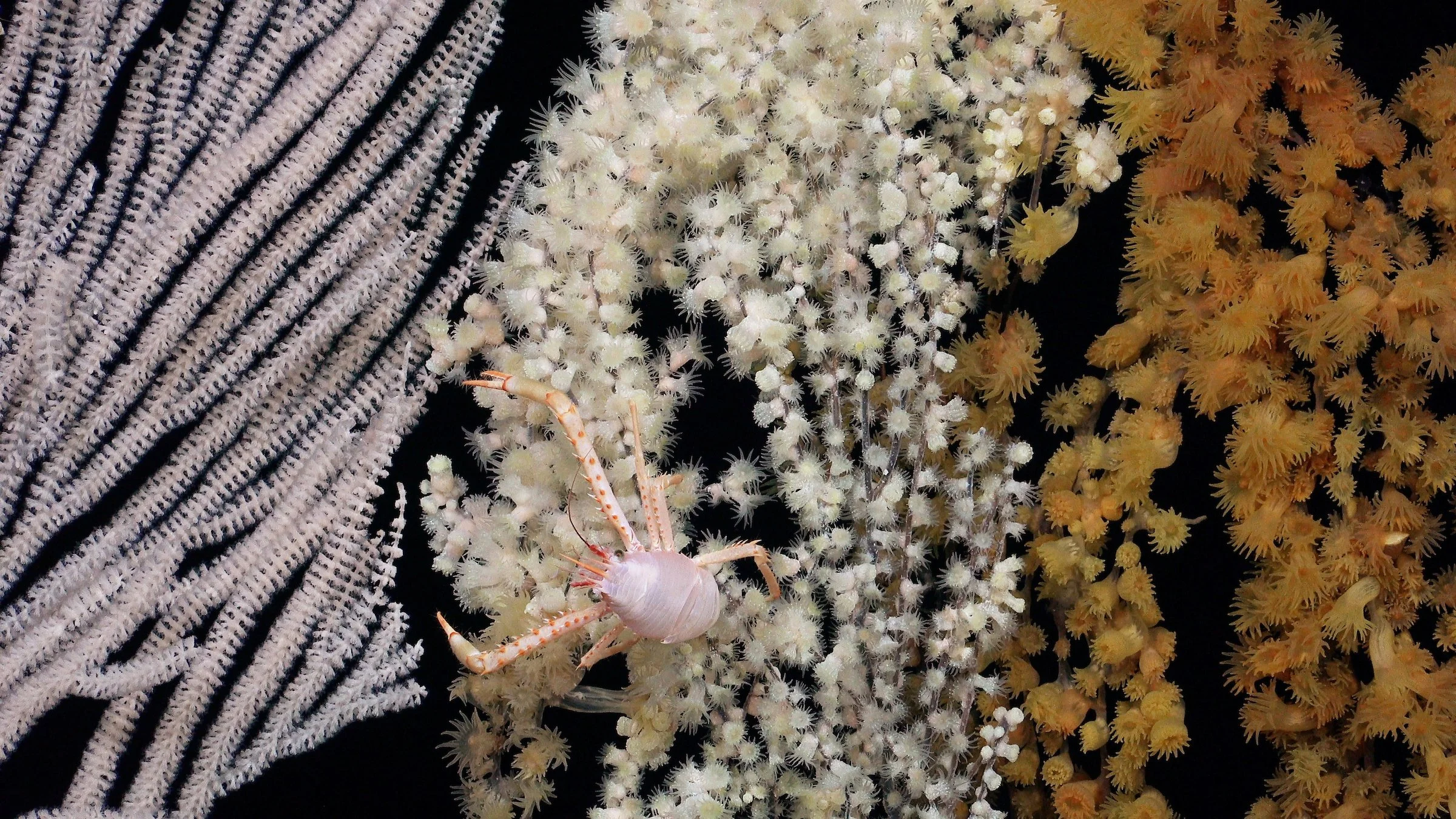
In early 2023, governments were still negotiating the High Seas Treaty and many developing countries lacked the legal, policy, technical and scientific capacity needed to ratify and implement it. Even after the treaty was adopted in June 2023, it required 60 national ratifications to enter into force. At the same time, governments and civil society needed to begin preparing credible high seas MPA proposals before the treaty became operational; to reach the global 30x30 target, at least 30% of the high seas will need to be protected - a massive increase from the current 1.5% the high seas was protected when the MPA funding pledge was announced in October 2024.
Photo © Schmidt Ocean Institute
What partners supported
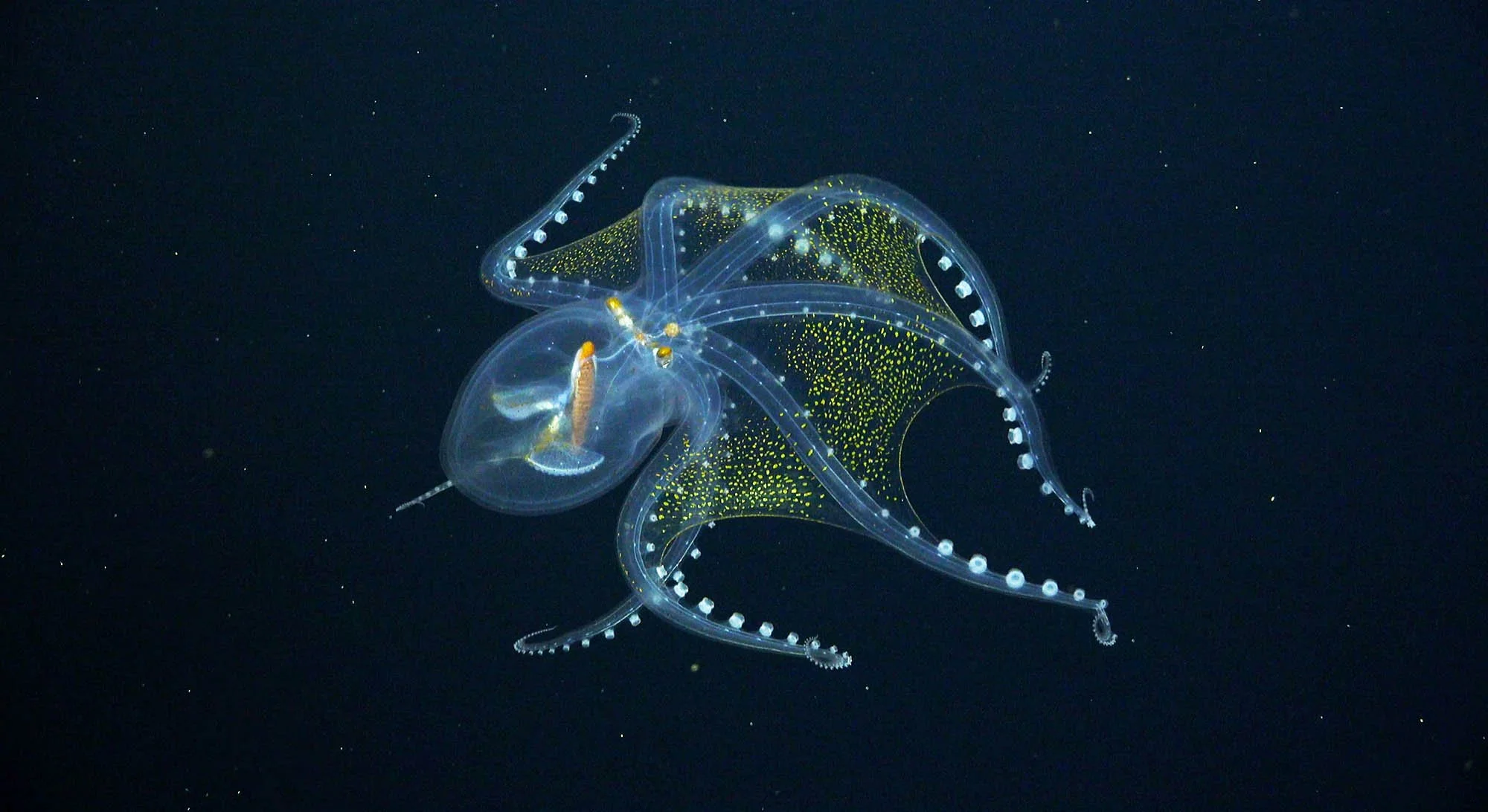
POP partners and other ocean funders coordinated two major philanthropic pushes. In March 2023, POP donors pledged $5 million to help developing countries participate in, ratify and prepare to implement the treaty, including policy and technical support.
Later that year additional funders joined, bringing the total to roughly $10 million. In October 2024, eleven philanthropies made a new commitment of $51.7 million to accelerate high-quality high seas MPAs, emphasizing Global South leadership and early proposal development. Bloomberg Philanthropies subsequently funded the secretariat for the government-led BBNJ First Movers initiative, hosted by NRDC.
Photo © Schmidt Ocean Institute
Results and contribution to 30x30
-
The High Seas Treaty reached the required 60 ratifications on 19 September 2025, triggering entry into force; it became legally effective on 17 January 2026. Source: UNESCO/United Nations and Bloomberg Philanthropies. Continued support to governments has brought the total number of countries that have ratified to 101 as of October 2026.
-
A first-mover government coalition for high seas MPAs was launched by Chile in September 2024. At its April 2025 workshop, representatives from 12 countries and more than 10 scientific, NGO and philanthropic organizations participated, and four prospective high seas MPA proposals were presented, including the Salas y Gómez and Nazca Ridges. Source: Government of Chile.
-
By June 2025, philanthropic commitments specifically aimed at accelerating high seas MPA development reached $58.2 million after Minderoo Foundation added $6.5 million to the $51.7 million joint pledge announced at CBD COP16. Source: European Commission / BBNJ High Ambition Coalition.
-
Bloomberg Philanthropies funded a secretariat for the BBNJ First Movers, hosted by NRDC, to coordinate governments and help advance the first wave of high-quality MPA proposals. Source: Bloomberg/High Seas Alliance and European Commission announcements.
-
Following a series of preparatory meetings, the first meeting of the parties to the BBNJ treaty will take place in at the United Nations in New York in January 2027.
Progress toward 30x30
This collaboration removed a critical governance barrier to 30x30. The high seas moved from having no global treaty mechanism for creating MPAs to a legally binding agreement in force, while governments and technical partners simultaneously began building the first proposal pipeline. No MPA has yet been designated under the Treaty, so the protected-area percentage has not yet increased because of the treaty. The near-term contribution is the legal framework, government coalition and technical preparation needed for protection decisions beginning after COP1.
How collaboration helped
The donor collaboration paired political timing with practical capacity. The 2023 pledge reassured governments, particularly the Global South, that philanthropic support would be available to mobilize early assistance and action upon adoption of the Treaty. Developing countries benefitted from resources to participate in ratification and implementation while governments were moving the treaty toward entry into force. The 2024–25 funding then shifted quickly from ratification to implementation, supporting scientific, legal and stakeholder work on MPA proposals and coordination among early-moving governments. This sequencing reduced the risk of a long gap between treaty entry into force and actual protection on the water.

Looking to 2030
Photo © Pexels
-
Submit a first wave of high-quality high seas MPA proposals for consideration under the BBNJ Agreement, with proposals sufficiently developed to move through the treaty process after COP1.
Dependency: COP1 adoption of workable rules and sustained government sponsorship.
-
Secure designation of meaningful new high seas protected areas that contribute directly to the global goal of protecting 30% of the ocean by 2030.
Dependency: Political agreement among Parties, strong science and stakeholder engagement, and effective coordination with sectoral bodies.
-
Expand participation, implementation capacity and political leadership from developing and small-island States so they can shape, sponsor and implement treaty measures.
Dependency: Continued legal, technical, scientific and financial support.
-
Projection: Early BBNJ MPAs demonstrate a replicable pathway for larger-scale protection across biodiversity hotspots beyond national jurisdiction.
Dependency: Durable management, monitoring, compliance and financing arrangements.